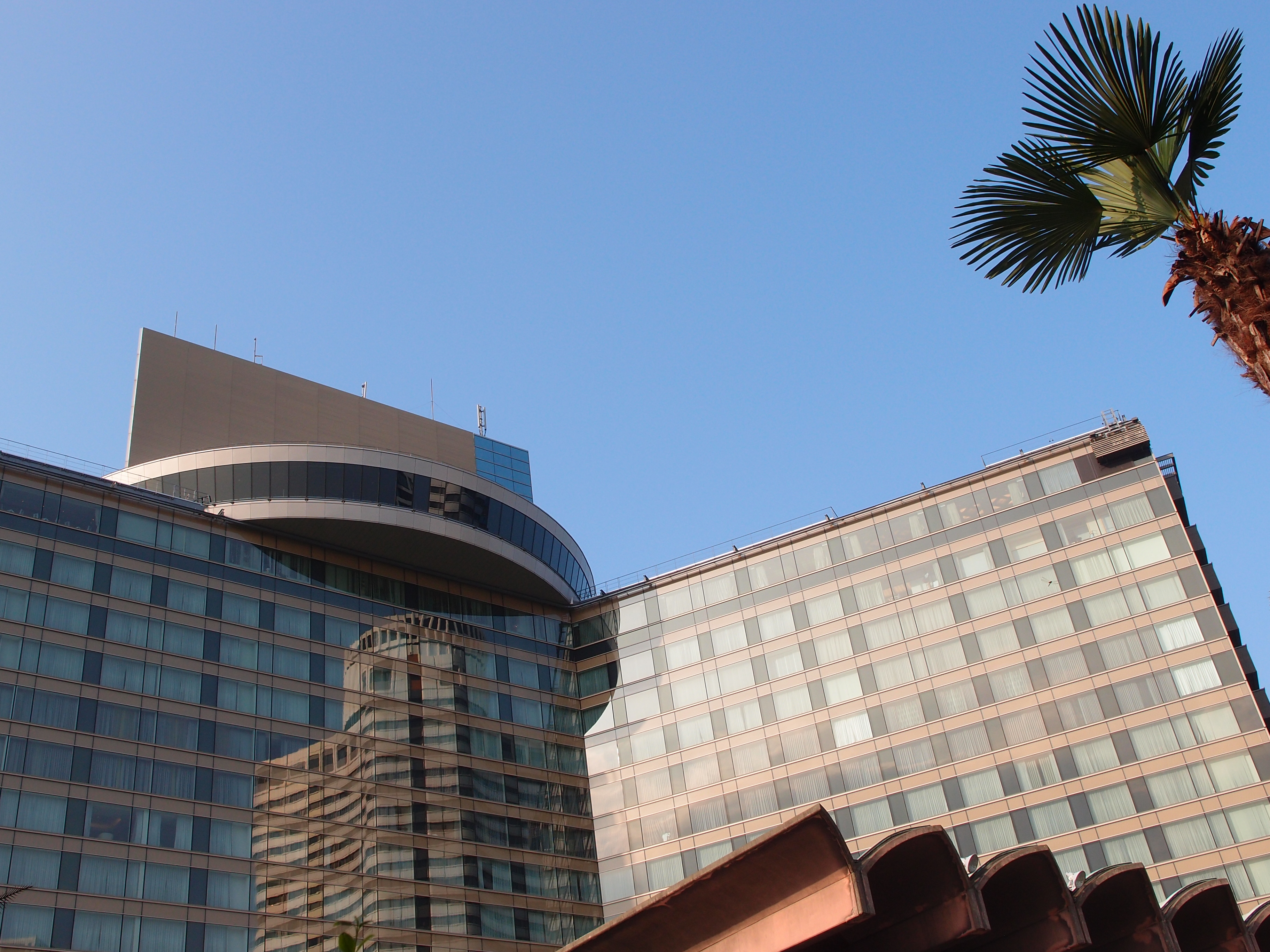
Hotel New Otani Tokyo is built around a genuine rarity for central Tokyo: a ten-acre, 400-year-old Japanese garden, once the residence grounds of a samurai lord, with koi ponds, a waterfall and centuries-old stone lanterns3. The property has three separate buildings — The Main, the Garden Tower, and the smaller Executive House Zen — and the garden sits between them. The Garden Tower, a 40-storey block opened in 1974, takes its name from that garden and looks over it from one side. But the tower is large — around 1,479 rooms — and only one side of it actually faces the garden. The other side looks out over Akasaka's streets and the expressway.
Hotel New Otani is one of Tokyo's great grand hotels, built around a genuine rarity: a ten-acre, centuries-old Japanese garden that was once a samurai lord's estate, with koi ponds, a waterfall and stone lanterns.
The garden is the reason to stay, and only one side of the building faces it. The other looks over Akasaka and the city. The hotel's naming doesn't always make the side obvious, so it's worth reading closely and asking for the garden by name.
The split: garden side vs. Akasaka city side — and a naming gap
The hotel's own Garden Tower pages list eight room and suite categories: the King, Duke and Count Suites, a general Suite, Deluxe Double/Twin/Triple rooms, and Standard Double/Twin/Triple/Connecting rooms1. None of those category pages mention a view, floor, or facing direction at all — the King Suite page describes a separate study and its own bathroom, the Count Suite page describes a large meeting table, and neither says which way the windows face1.
That's a real contrast with the rest of the property. The Main building sells a distinct "Garden Suite" and a "Shin-Edo" Garden Suite, and the separate Executive House Zen wing sells an "Executive Garden Suite" and "Executive Garden Suite MUSOU-AN," described on the hotel's own page as offering "a panoramic view of the Japanese garden and the metropolis"2. In other words, the hotel does have named, garden-branded suites — they're just not in the Garden Tower. Inside the tower itself, the garden view is a matter of which side of the building you're assigned, not a named tier you can book with confidence.
A first-hand account from a FlyerTalk poster who stayed in the Garden Tower found this out directly: the view from their room was "the buildings of Akasaka and the highway (with a little bit of the Tokyo Tower)"4 — the city side, not the garden. A professional review of the tower separately notes that "higher floors give guests sweeping views of Tokyo; some overlook the cityscape and gardens and others have a view of Mt. Fuji"5 — confirming that within the tower, floor height splits between outlooks rather than guaranteeing the garden.
Even the tower's own top-floor amenities point the same way: its two restaurants on the 40th floor, 144 metres up, are built for the city side — one markets a Mt. Fuji outlook on clear days, the other looks toward Tokyo Skytree6. The room built specifically for the garden view, the Garden Lounge, sits at lobby level, not up in the tower6. If anything, that suggests the garden panorama in this tower is a lower-to-mid-floor, garden-side proposition — not a "go as high as you can" one.
The Garden Tower is the building named after the garden, but it is not the building with a named garden-view suite. If seeing the garden from your window is the whole point of the stay, the hotel's own most concrete promise of that combined garden-and-city view is the Executive Garden Suite in Executive House Zen2 — a different, smaller wing, not the Garden Tower. Booking a King, Duke or Count Suite, or any Deluxe or Standard room, in the Garden Tower gives you no assurance of which side you'll land on; independent reports show real guests ending up on the Akasaka road side without having asked otherwise4. Reviewers also note the Garden Tower's rooms and furnishings read as dated compared with the rest of the property5 — a separate issue from the view, but worth weighing together.
How to ask for it
- Don't rely on the Garden Tower's suite names (King, Duke, Count) to imply a view — the hotel's own pages for those categories don't mention an aspect at all1. Ask explicitly for the Japanese garden side of the Garden Tower when booking.
- Request written confirmation of the room assignment before arrival, since floor height alone doesn't decide it — reports describe both garden-facing and city-facing rooms on higher floors5.
- If the garden view specifically is non-negotiable and budget allows, ask about the Executive Garden Suite or Executive Garden Suite MUSOU-AN in Executive House Zen, or the Garden Suite in The Main — these are the hotel's only categories that name the garden view directly, though they sit in different buildings from the Garden Tower2.
- Set expectations on furnishings, not just view: the Garden Tower is the property's older, more value-priced building, and reviewers note it could use updating5.
The hotel
Photographs of the property, including rooms and interiors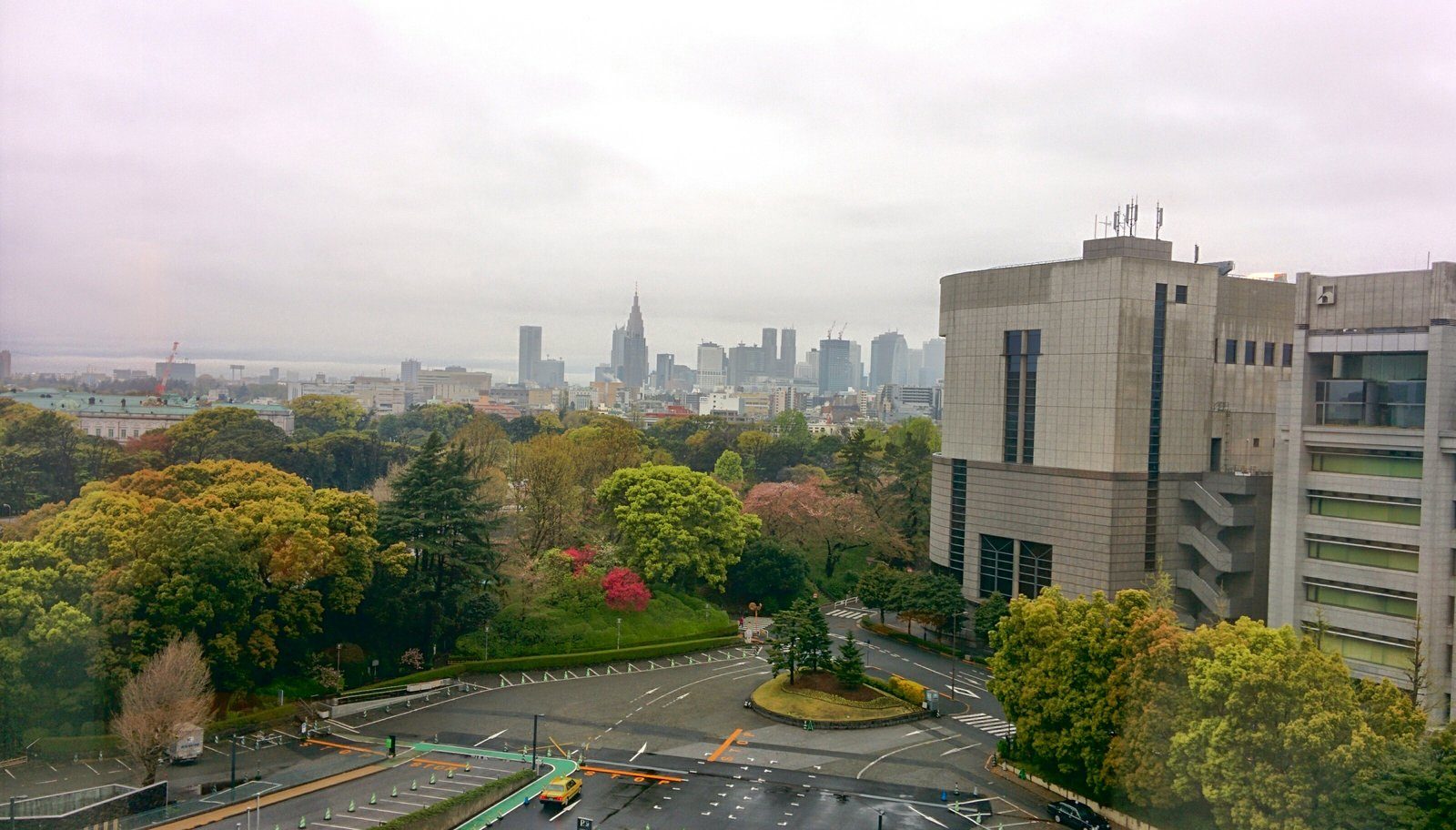
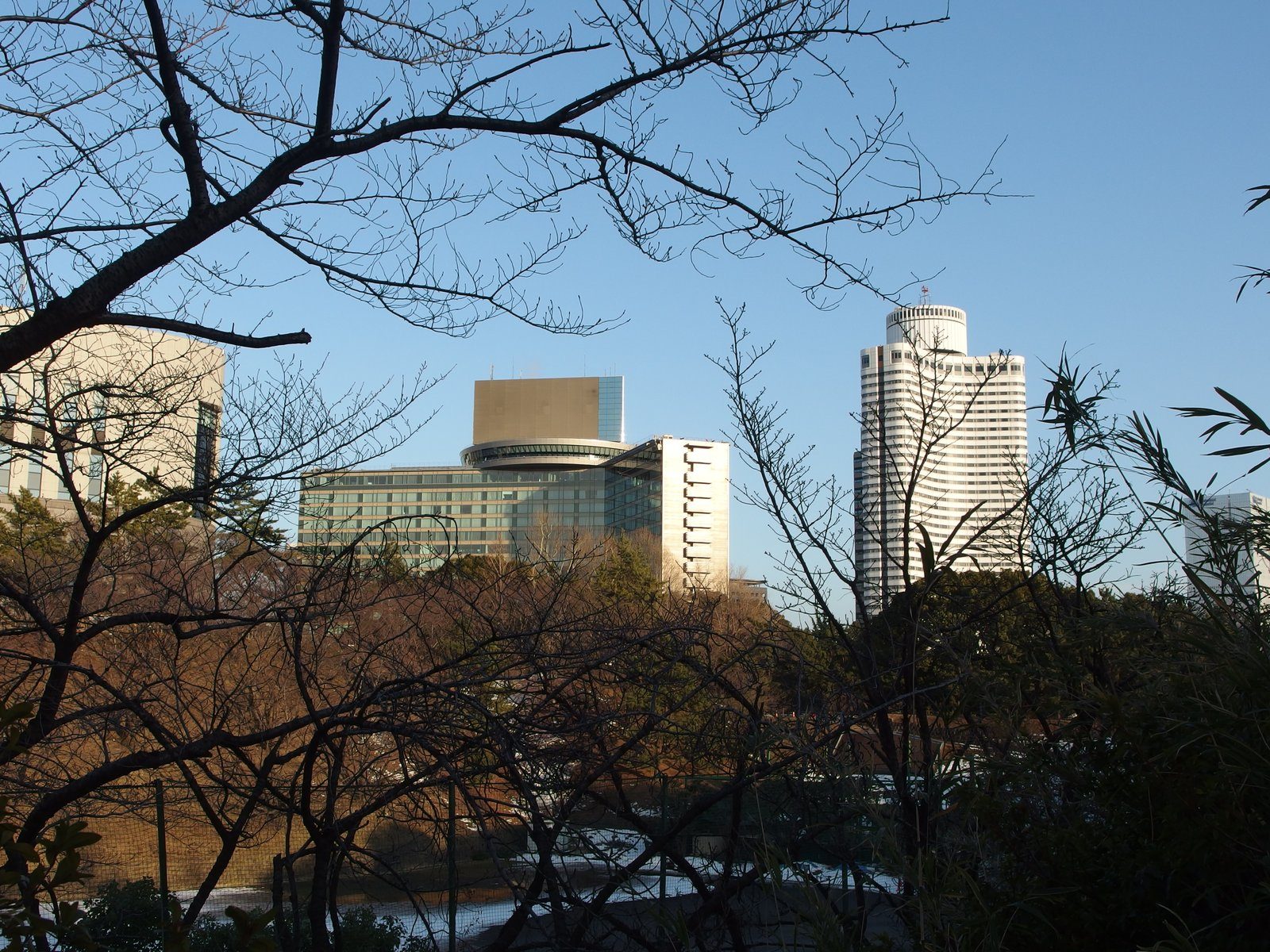
Openly licensed photos, credited to each photographer. For context only; verified room views appear on room pages.